
Work that reaches real families, in real villages, every day.
Twenty-one programmes across health, education, livelihoods, and rights — built from the ground up with the communities we serve in Pabna, Nilphamari, Cox's Bazar, and beyond.
Figures drawn from the NONGOR Annual Report, 2021–2022
How our work is organized
Every programme sits under one of these areas. Together they cover the full stack of what it takes for a rural Bangladeshi household to move out of vulnerability.
Keeping mothers and children alive and well
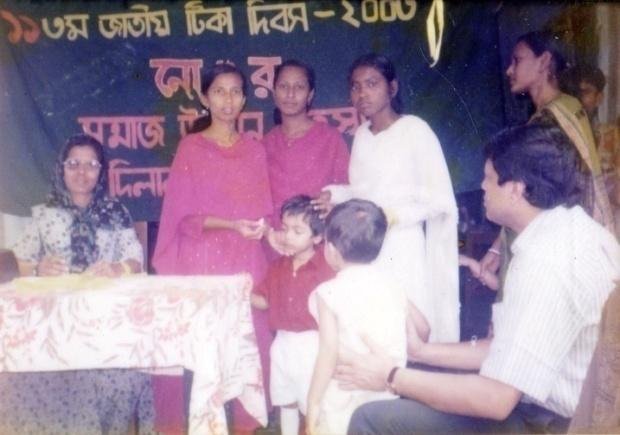
EPI Vaccination & Immunisation
Routine immunisation drives for women and children in underserved villages, run through village-based health counsellors and depot holders linked up to the Upazila health system.
Learn more
Maternity Stipend Programme
Implementing the government Maternity Allowance in Ishwardi and Pabna Sadar Upazilas in partnership with the Ministry of Women and Children Affairs — direct cash support for pregnant and lactating mothers.
Learn more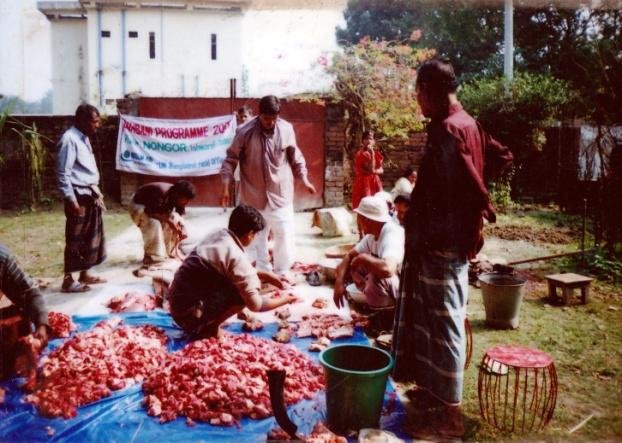
Maternal & Child Nutrition
Health camps with MBBS doctors, free drugs, Micro-Nutrient Powder (MNP), and counselling for lactating mothers and households with young children across Pabna and Nilphamari.
Learn more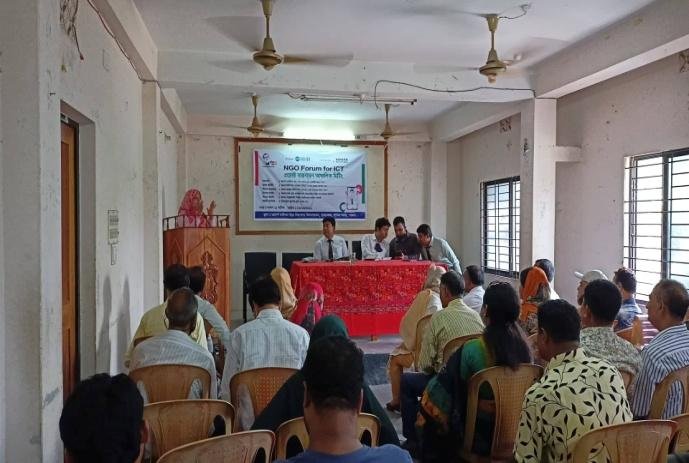
Rural Telemedicine Access
Phone-based access to qualified doctors for villagers who can't easily reach a clinic. Run in partnership with the HHH Telemedicine Forum — a lifeline during outbreaks and for remote areas.
Learn moreSchools where there weren't any
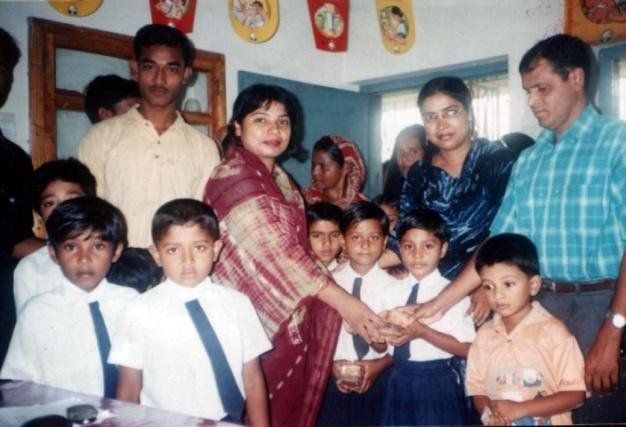
Non-formal Pre-Primary & Adult Literacy
Ten non-formal primary schools set up in char lands where no formal schools exist, plus adult literacy circles so parents can read alongside their children. Started in 1999 and still running.
Learn more
Humanity Education & Quran
For rural Muslim families where religious education is important, we run alternative Quran and humanity education circles that re-engage children who have dropped out of formal primary school.
Learn moreA way to earn, not a handout
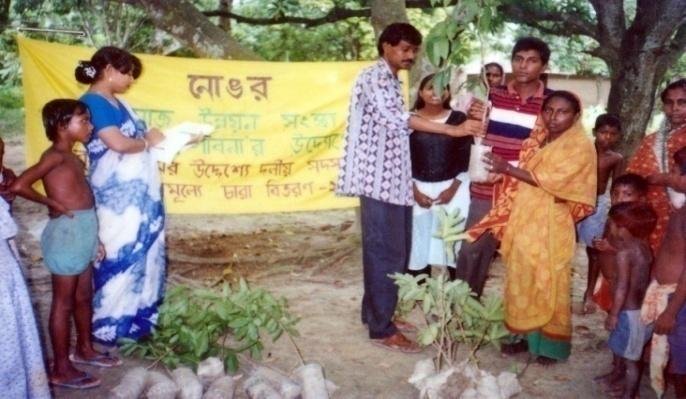
Homestead Vegetable Gardening
Training landless and marginally-landless women to grow year-round nutrient-rich vegetables — carrots, yard-long beans, leafy greens — on the small plots around their homes, plus seed preservation.
Learn more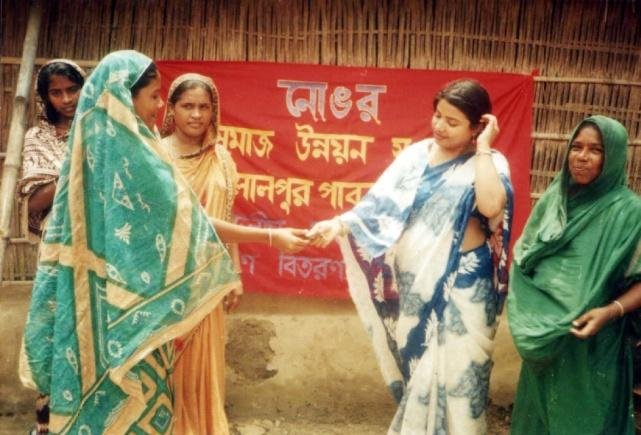
Adolescent Livelihood Advancement (ALAP)
Post-disaster credit support and skill-building for young people whose families lost their footing in a flood or storm — savings groups, IGA training, and micro-finance to restart.
Learn more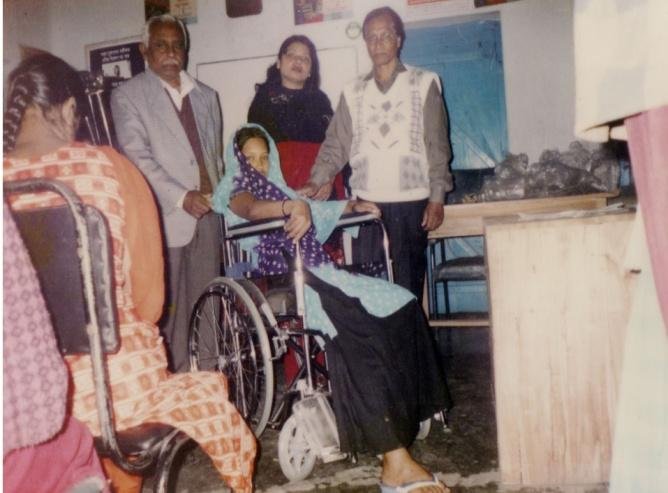
Vocational & Handicraft Training
Sewing, tailoring, embroidery, and handicrafts — skills that translate into real cash income. Products are sold through local markets and collective marketing groups we help set up.
Learn more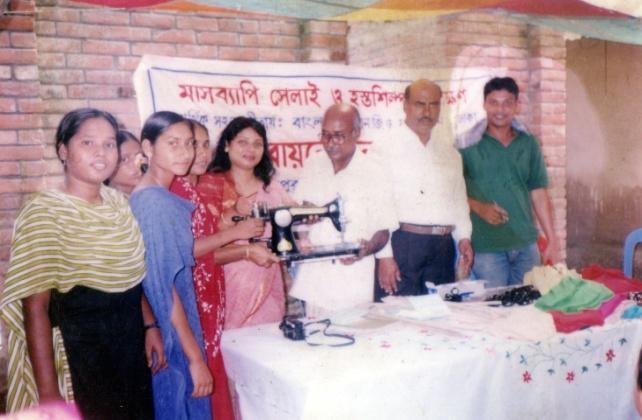
Income Generating Activities
Weekly savings groups (Tk. 10–20/week) funding small rickshaw-van businesses, livestock raising, handloom thread work, and village shops. In-group savings cross Tk. 700,000 per year.
Learn moreStanding between the vulnerable and harm
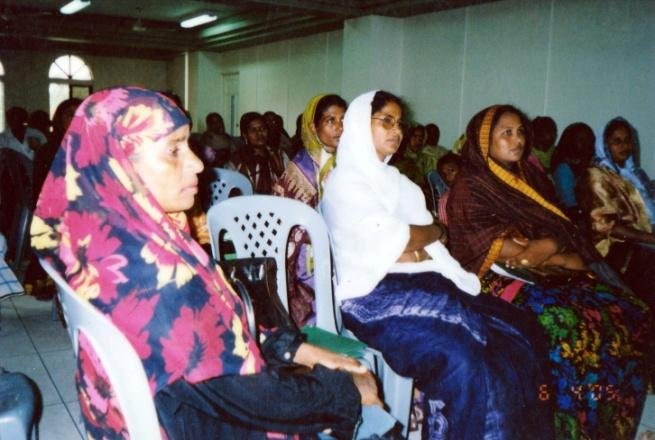
Child & Women Trafficking Protection
Awareness, community watch groups, and direct support for women and children at risk of trafficking in Nilphamari, Pabna, and Cox's Bazar — plus promoting the government 10921 helpline.
Learn more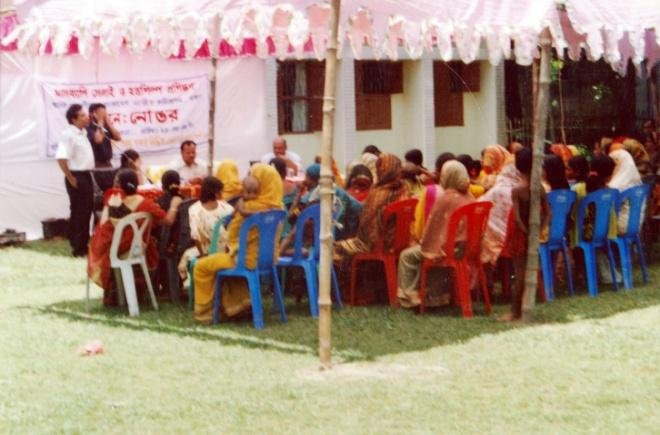
Human Rights & Democracy Partnership
Alternative Dispute Resolution (ADR) committees in 16 villages — an accessible, women-friendly first line for resolving violence, dowry demands, and family law disputes before they escalate.
Learn more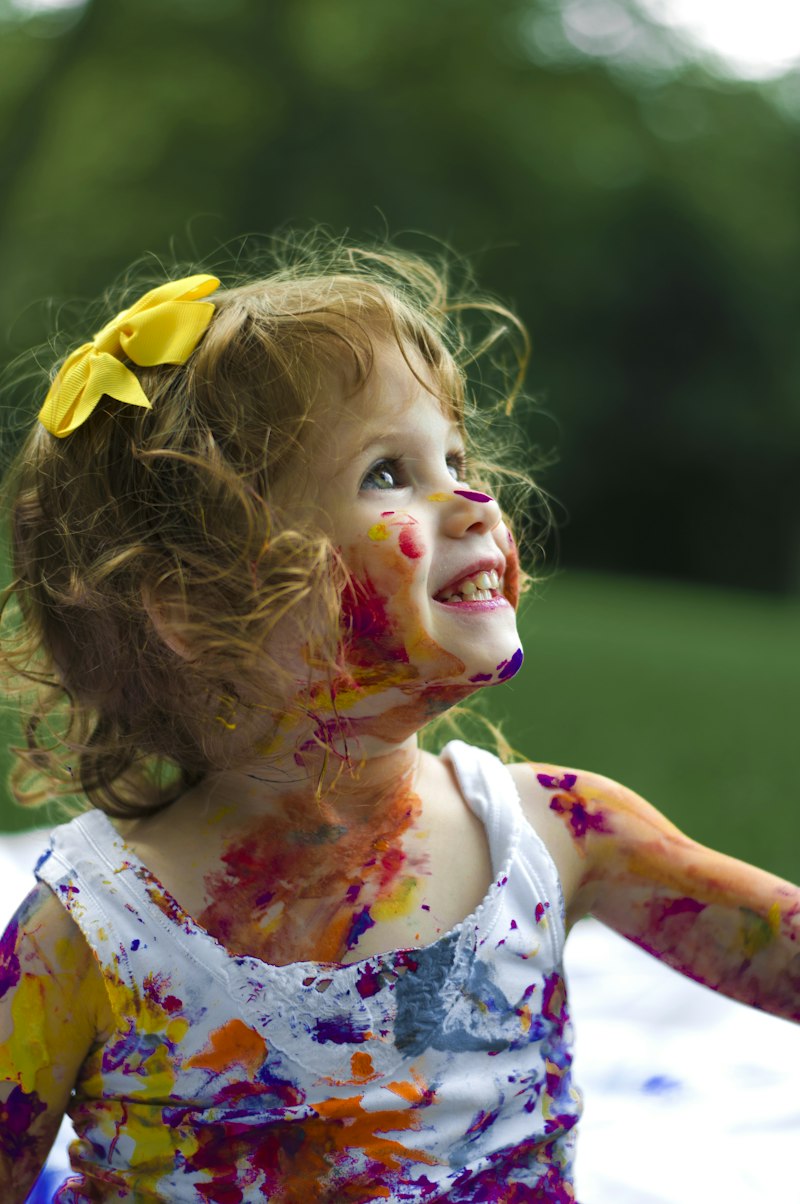
Let Children Speak (LCS)
Legal aid and adolescent-concept training for children who are otherwise voiceless in their communities — underprivileged kids who deserve to be heard, not just spoken for.
Learn more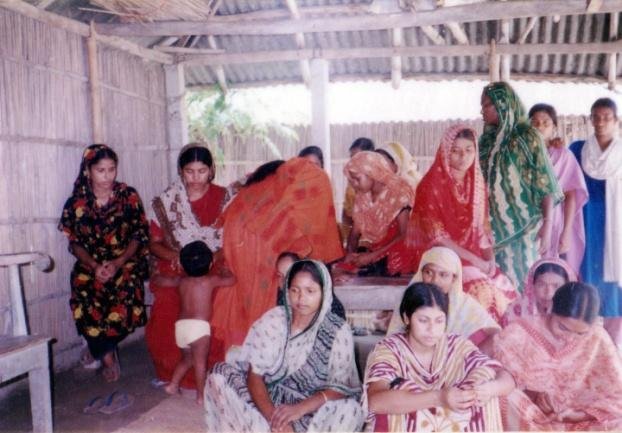
Gender Equity & Anti-Dowry Movement
Training women UP members, legal support for abused women, and a sustained community movement against the dowry system. Gender runs through every other programme we do.
Learn more
Persons with Disabilities Programme
Identification, group formation, rehabilitation support, and direct financial aid for persons with disabilities who are routinely pushed out of mainstream development work.
Learn moreReady before the flood comes
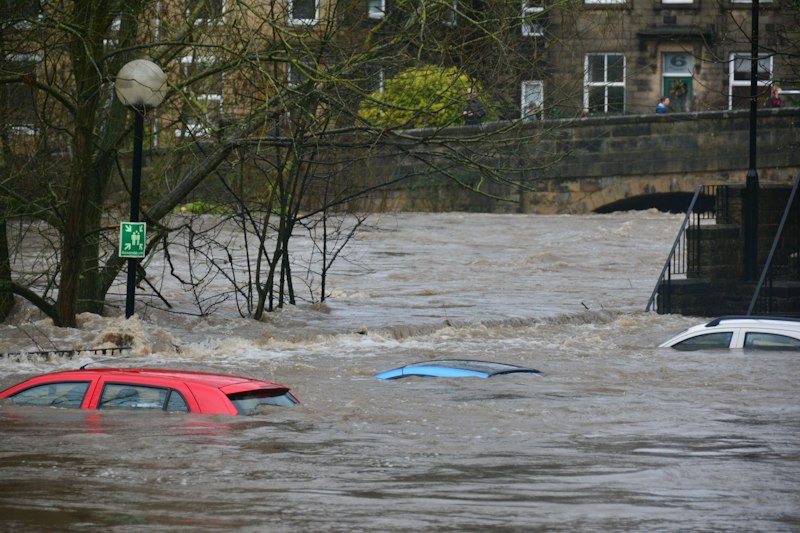
Community-Based Disaster Preparedness
Village-level committees, action plans, and training for UP members, religious leaders, and volunteers in Pabna's flood-prone north — the work that happens before the next disaster.
Learn more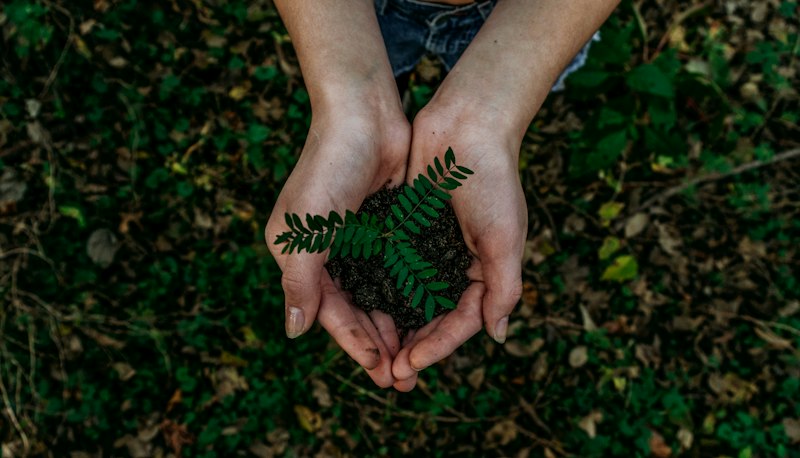
Plantation & Environmental Programme
Tree-sapling distribution, arsenic awareness and mitigation, environmental education for grassroots groups, and advocacy for cyclone shelters — small and steady, year after year.
Learn moreMaking the system work for people at the bottom
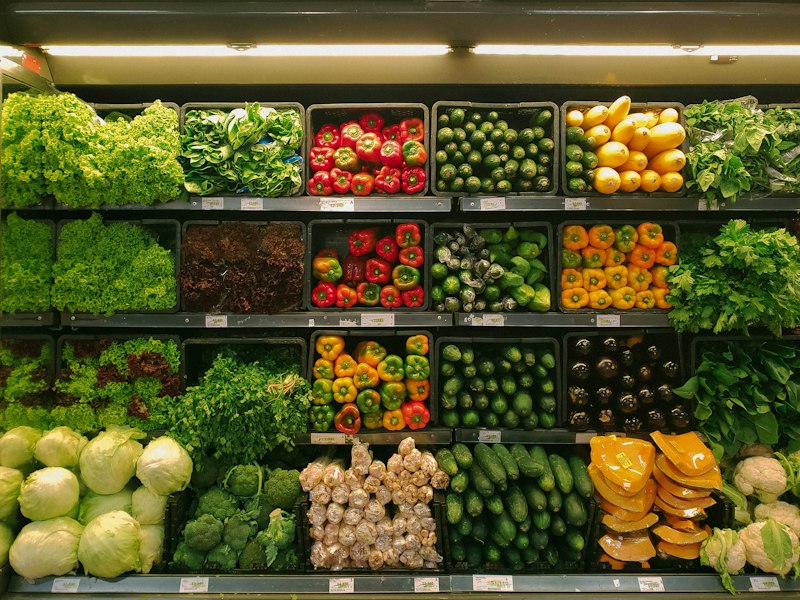
Consumer Rights Protection
Training and awareness against food adulteration and unsafe pharma practices — work tied to World Consumer Rights Day on 15 March every year across Pabna, Ishwardi, and Nilphamari.
Learn more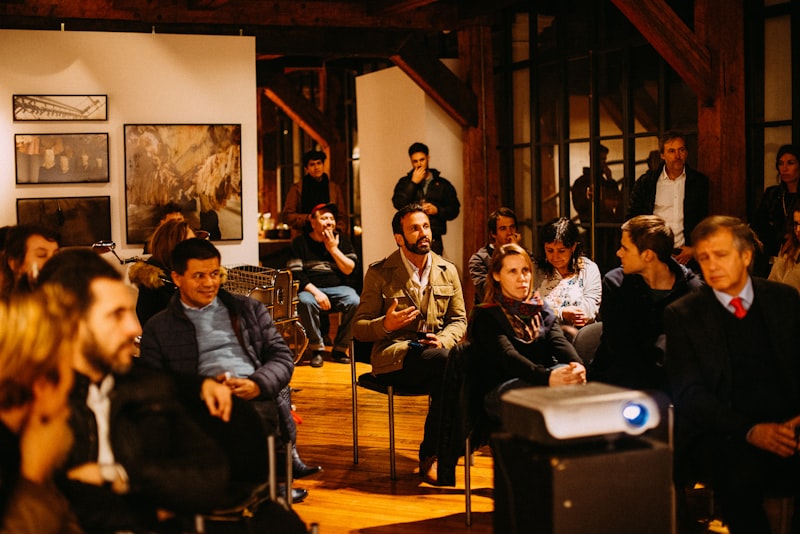
Government–NGO Coordination
Regular coordination with Upazila and district administrations, joint programmes with GOB, and network meetings with peer NGOs — the unglamorous work that keeps programmes aligned, not duplicated.
Learn more
Publication & Cultural Activities
The monthly booklet Nondito Alo, annual awareness booklets on HIV and tobacco control, and support for female writers and poets through book fairs and capacity-building.
Learn more
International Days Observance
World Health Day, AIDS Day, International Women's Day, Mother Language Day, World No Tobacco Day — moments we use to pull government, NGOs, and communities into the same room.
Learn moreEvery programme here runs on support from people like you.
Donate, volunteer, or partner with us. The work doesn't stop, and neither do the needs — but neither do we.